
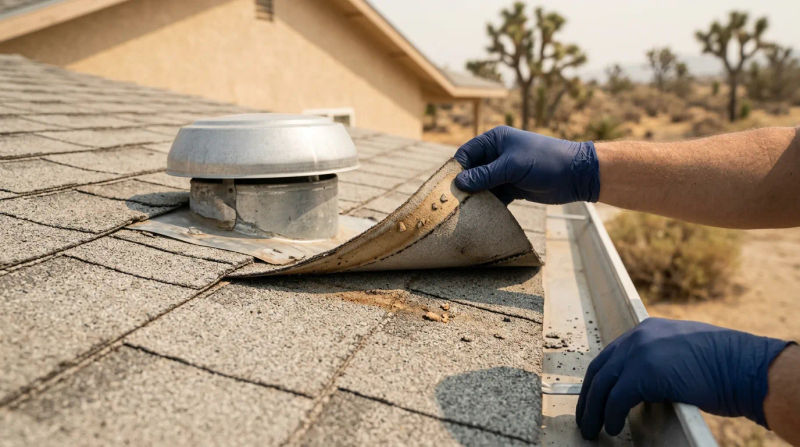
As a roofing specialist with over a decade of experience in hot, dry climates like those across Arizona and Southern California's high desert, I've seen how homeowners can feel a false sense of security during fire season. You might be at your home in El Mirage, watching the hazy sky and smelling the faint scent of smoke from a wildfire miles away. It’s natural to feel relieved that the flames aren't close, but the danger to your roof might be more present than you think. Even without direct contact with fire, the intense radiant heat and corrosive smoke can silently compromise your home's most important protector.
This is damage that often goes unnoticed until the first significant rainstorm, when a small, heat-induced vulnerability becomes a major interior leak. Understanding the subtle warning signs now, during the peak of fire season, is the key to preventing costly repairs later.
Common Signs and Symptoms
After a nearby wildfire event, even one that was several miles distant, a visual check of your roof can reveal clues of potential damage. While we always recommend having a trained professional perform any on-roof work, here are some of the key indicators our technicians look for during a wildfire smoke roof inspection. You may be able to spot some of these from the ground with binoculars.
- Dark Stains or Discoloration: Soot and ash carried by the wind can settle on your roof. This isn't just dirt; it can be oily and acidic, leaving dark streaks or patches on shingles and tiles.
- Warped, Blistered, or Curled Shingles: Asphalt shingles are particularly vulnerable to intense heat. Radiant heat can cause the asphalt to soften, leading to blisters, curling along the edges, or a general waviness across the roof surface.
- Deformed Vents, Skylights, and Covers: Many roof penetrations, like attic vents or plumbing stack covers, are made of plastic or soft metals. Intense heat can cause these components to warp, melt, or become misshapen, breaking their watertight seals.
- Cracked, Bubbling, or Gummy Sealant: This is one of the most common melted roof sealant signs. The mastic or caulk used to seal around flashing, vents, and skylights can soften, bubble, and crack under extreme heat, creating direct pathways for water intrusion.
- Damaged or Discolored Metal Flashing: The metal strips that protect roof valleys, chimneys, and wall intersections are critical. Look for signs of fire heat damaged flashing, which can include significant discoloration (a rainbow or burnished effect), warping, or separation from the roof deck.
- Soot and Ash in Gutters: Your gutters are a collection point for everything that washes off your roof. If you see a significant amount of black, sooty debris in your gutters, it’s a clear indication that your roof was exposed to airborne fire particulates.
- A Persistent Acrid or Smoky Odor: Roofing materials, especially porous ones like asphalt shingles or wood shakes, can absorb and hold onto the smell of smoke. If you notice a lingering burnt odor around your home, your roof could be the source.
- Brittle or Cracked Rubber Boots: The flexible rubber “boots” that seal around pipes extending through the roof are highly susceptible to heat and UV damage. Extreme heat can accelerate this process, making them brittle, cracked, and unable to maintain a seal.
- Micro-Fractures in Roof Tiles: For homes with concrete or clay tile, intense and rapid temperature fluctuations can cause tiny stress fractures. These are nearly impossible to see from the ground but can absorb water and eventually lead to larger cracks and tile failure.
What Causes This Problem
Understanding why a distant fire can harm your roof helps clarify why a professional inspection is so important. The damage isn't caused by a single, obvious event but by a combination of invisible forces.
First and foremost is radiant heat. Think of the heat you feel from a bonfire even when you’re standing several feet away. A large wildfire radiates an enormous amount of thermal energy that can travel for miles. This wave of heat can raise the surface temperature of your roof high enough to damage materials without any flames ever touching them. In the open landscapes around El Mirage, there is little to block this energy.
Second are airborne embers. Wind can carry small, glowing embers for a surprising distance. While they may not be hot enough to ignite the entire roof, they can land and smolder, burning small holes in shingles or melting sealants before extinguishing.
Finally, the smoke itself is a problem. A smoke damaged roof isn't just dirty; it's chemically compromised. Wildfire smoke contains soot and ash particulates that can be acidic. When this residue settles on your roof and mixes with morning dew or the first fall rains, it creates a corrosive slurry that accelerates the breakdown of shingles, fasteners, and metal components.
For many properties in the region, especially homes built during the development booms of the 1980s, the original roofing systems are already nearing the end of their expected lifespan. These older materials are far less resilient. An extreme heat event can be the final straw that pushes a 30-year-old roof system into a state of failure.
When to Call a Professional
While a homeowner can and should look for obvious signs from the safety of the ground, determining the true extent of heat and smoke damage requires a trained eye. Getting on a roof is inherently dangerous, and walking on a potentially heat-damaged surface - especially brittle tiles or compromised shingles - can cause further damage and poses a significant safety risk.
This is where experienced professionals provide critical value. Our technicians follow a standardized, multi-point inspection process designed to identify subtle issues an untrained observer would miss. We know the difference between normal wear-and-tear from the desert sun and the specific patterns of accelerated aging caused by a radiant heat event.
A professional wildfire smoke roof inspection involves more than just a quick look. It includes:
- Close examination of all sealants around penetrations.
- Lifting shingles to check for brittleness and the condition of the underlayment.
- Inspecting flashing for signs of warping and seal failure.
- Assessing ventilation components for melting or deformation.
- Checking the condition of the entire roof field for blistering, cracking, or granule loss.
If you have any suspicion of damage, or if you know a wildfire was active within a few miles of your property, a professional assessment is the safest and most effective course of action. It provides peace of mind and a clear, actionable report on your roof's condition.
Conclusion
The key takeaway is that your roof doesn't need to see flames to suffer from a fire. The invisible forces of radiant heat and corrosive smoke can cause subtle but significant damage, creating vulnerabilities that will be exposed by the late-summer winds and first autumn rains. Identifying issues like a smoke damaged roof, fire heat damaged flashing, or melted roof sealant signs early is the most effective way to prevent a small problem from turning into a major leak and expensive interior repairs.
Don't wait for a water stain to appear on your ceiling. Proactive assessment is your best defense against the hidden dangers of fire season.
If you notice any of the signs discussed in this article, we strongly encourage you to contact a local, qualified roofing professional for a thorough inspection.