
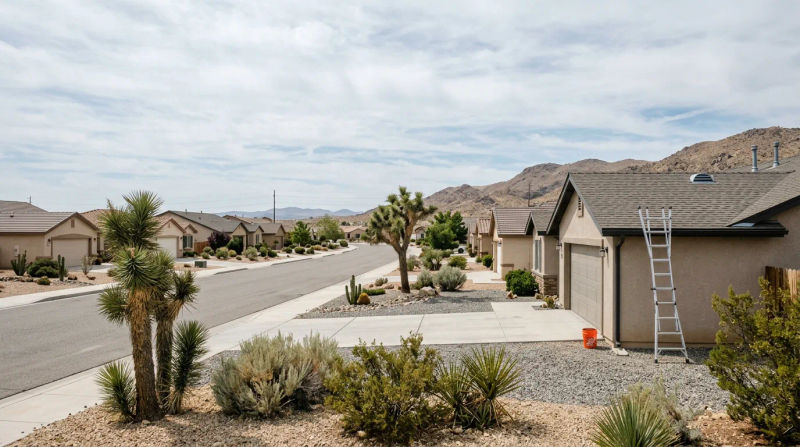
As a Senior Roofing Specialist with over a decade of experience in demanding desert climates, I’ve learned that the sun does more damage to a roof than any storm. Here in Hesperia, our homes endure intense UV radiation and dramatic temperature swings for months on end. Now, as September arrives, we’re entering a critical transition period. The work we do now is essential to prepare roof for first rain Hesperia homeowners will see this season. Before the Pacific storms roll in, it’s time to address the subtle wear and tear that the summer sun has inflicted.
Many residents think of roof maintenance as a reaction to a leak, but in the high desert, it must be a proactive measure. The combination of UV degradation, thermal expansion, and accumulated dust creates the perfect storm for water intrusion once the weather turns. This guide provides a practical checklist for homeowners, based on the common issues we at Sabrina Wunsch's roofer Co encounter across the city.
Hesperia Weather Challenges
Living in the high desert means dealing with a unique set of environmental factors that are particularly harsh on roofing systems. Unlike coastal or mountain communities, our roofs face a relentless cycle of extreme heat, UV exposure, and powerful winds, followed by sudden, sometimes heavy, rainfall.
- Intense UV Exposure: The number one enemy of a Hesperia roof is the sun. Day after day, UV rays bake the oils out of asphalt shingles, making them brittle and prone to cracking. For tile roofs, the sun's heat relentlessly attacks the underlayment - the actual waterproof barrier. Sealants around pipes, vents, and skylights dry out, shrink, and crack, creating direct pathways for water.
- Thermal Shock: Hesperia is known for its significant diurnal temperature shifts. A roof surface can heat up to over 150 degrees during a summer afternoon and cool down by 40-50 degrees overnight. This constant expansion and contraction, or thermal shock, puts immense stress on every component. Fasteners loosen, seams pull apart, and tiles can shift. At Sabrina Wunsch's roofer Co, we see this often in Hesperia, where loosened flashing is a primary cause of leaks around chimneys and roof-to-wall intersections.
- Wind and Dust: The high desert winds, especially during the late fire season, can carry abrasive dust and debris. This sediment settles in gutters, valleys, and around flashing, acting like a sponge that holds moisture against the roof surface when it does rain. This can accelerate deterioration and lead to blockages that cause water to back up under your shingles or tiles. Strong winds can also easily lift shingles or tiles that have already been weakened and loosened by summer heat.
Best Practices for Local Homeowners
Conducting a thorough self-inspection in late summer is the most effective form of high desert roof upkeep September has to offer. This Hesperia roof maintenance checklist covers the key areas our professional technicians focus on. Always prioritize safety; if you are not comfortable on a ladder or your roof, it is best to call a professional.
1. Clear Gutters and Downspouts: Start with the basics. Your gutters are the first line of defense for managing rainwater. Remove all leaves, dirt, and other debris to ensure water can flow freely away from your home's foundation and siding. A clogged gutter will cause water to pool and overflow, potentially seeping behind fascia boards and into your roof decking.
2. Inspect All Penetrations and Sealants: Anywhere something pokes through your roof - vents, pipes, skylights, chimneys - is a potential weak point. Carefully examine the sealant around these penetrations. Look for material that is cracked, peeling, or pulling away from the surface. These small failures are responsible for a huge percentage of the leaks we repair.
3. Examine Your Roofing Material:
- For Asphalt Shingles: Look for shingles that are curling at the edges, cracked, or have significant granule loss (you might see a lot of black granules in your gutters). These are signs that the shingles are reaching the end of their effective lifespan.
- For Tile Roofs: Scan the roof for any tiles that are cracked, chipped, or have slipped out of place. While a single broken tile might not cause an immediate leak, it exposes the underlayment to direct sunlight, which rapidly accelerates its decay. This is especially important for the many Hesperia homes built in the 1990s and 2000s. These Neo-traditional ranch-style homes often feature complex rooflines with multiple hips and valleys, increasing the number of areas where tiles can shift or where debris can accumulate.
4. Check Your Valleys and Flashing: Valleys are the channels where two roof planes meet, and they handle a large volume of water. Ensure they are completely clear of debris. Check the metal flashing in these valleys and along walls for any signs of rust, lifting, or damage. The team at Sabrina Wunsch's roofer Co recommends paying close attention to these areas, as they are high-risk zones for water intrusion.
5. Perform a Quick Attic Check: Before the first rain, head into your attic during the day with the lights off. Look for any pinpricks of daylight coming through the roof deck. Also, scan the underside of the decking and the rafters for any dark water stains or signs of moisture, which would indicate a slow, pre-existing leak.
Local Resources and References
While a DIY inspection is a great first step, understanding local requirements is also crucial. Any significant repair or replacement work in Hesperia must adhere to California Building Codes, which include specific requirements for roofing in high-wind and fire-risk areas. The City of Hesperia's Building and Safety Division is the official resource for permit information and code compliance.
Choosing materials designed for our climate is just as important. When considering repairs, ask your contractor about Class 'A' fire-rated materials and options with high solar reflectivity (cool roofs), which can help reduce energy costs. A true local expert will guide you toward products with a proven track record in the high desert, not just what's cheapest or most common elsewhere.
Choosing a Local Expert
When it comes to protecting your home, there is no substitute for local expertise. A roofer from a different climate won't instinctively understand the unique punishment our Hesperia roofs endure. They may not recognize the early signs of thermal shock on a tile roof or know which sealants hold up best under intense UV exposure.
Sabrina Wunsch's roofer Co has served Hesperia homeowners for years, and our standardized maintenance process is built around the specific challenges of this environment. Our trained crews know exactly what to look for on the tract homes from the 1990s and 2000s that are so common here. We understand their complex roof layouts and the specific vulnerabilities they present as they age.
A professional inspection provides a baseline of your roof's health, identifying minor issues that can be fixed for a small cost before a storm turns them into a major expense. Our goal is to provide you with a clear, honest assessment and a practical plan to ensure your roof is ready for whatever the coming season brings.
Conclusion
Your roof is your home's most critical line of defense, and in Hesperia, it's constantly under assault from the elements. By taking a proactive approach to maintenance this September, you can safeguard your investment and gain peace of mind before the winter storm season arrives. Using this checklist can help you spot potential problems, but the most reliable way to ensure your home is secure is with a professional evaluation.
When it comes to roof maintenance Hesperia, trust the team that lives and works here. Contact Sabrina Wunsch's roofer Co today for a professional inspection and ensure your home is protected before the first storm arrives.