
As a Senior Roofing Specialist here in the High Desert, I’ve spent over a decade helping homeowners protect their properties. My name is Daniel Ortega, and living and working in and around El Mirage has taught me that our community faces unique challenges, especially during the peak of fire season in August. The clear, dry air we love comes with a serious responsibility. When evacuation warnings are issued, the last thing you want to worry about is whether your roof is prepared to defend your home against embers. That’s why we believe proactive preparation isn't just smart - it's essential for every El Mirage homeowner.
El Mirage Weather Challenges
Living in El Mirage means embracing the stark beauty of the Mojave Desert, but it also means respecting its power. The primary threat during fire season isn't always the flame front itself, but the blizzard of embers that can travel for miles on the wind. Our local wind patterns, especially during red flag conditions, can rapidly push a fire threat into our neighborhoods. These winds are notorious for finding the smallest vulnerability in a home's exterior, and your roof is the first and most critical line of defense.
At Sabrina Wunsch's roofer Co, we see this often in El Mirage. Embers can accumulate in gutters filled with dry leaves, get sucked into unprotected attic vents, or lodge themselves under loose or cracked roof tiles. The intense, dry heat of our summers makes roofing materials brittle over time, and a small crack that seems insignificant in May can become a major entry point for a hot ember in August. These are the specific red flag wind roof precautions we emphasize with our clients. It's not just about the big picture; it's about the small details that make all the difference when your home is at risk.
Best Practices for Local Homeowners
When an evacuation notice is issued, time is of the essence. Having a clear, actionable plan can reduce stress and significantly improve your home's chances of survival. We've developed a specialized roof evacuation checklist based on years of experience serving this community. The goal is to perform a quick, safe assessment and secure your roof without putting yourself in danger.
Here’s what to focus on before you leave:
1. Clear and Secure Debris (If Safe to Do So)
- Gutters and Roof Valleys: Your gutters are natural collection points for flammable debris like pine needles and leaves. If you can safely access them before high winds kick in, clear them out. A clean gutter prevents embers from finding a ready fuel source right at your roof's edge.
- Rooftop and Yard Debris: Remove any stray leaves, branches, or other flammable materials from the surface of your roof. Move flammable patio furniture, woodpiles, and trash cans at least 30 feet away from your home.
- Overhanging Branches: Trim back any tree branches that hang over or touch your roof. This creates a defensible space and removes a direct path for fire to reach your home.
2. Document for Insurance Purposes This is a critical step that is often overlooked in the rush to evacuate. Taking comprehensive roof condition photos for insurance provides a baseline of your property's state before any potential damage. If you need to file a claim later, this documentation is invaluable.
- What to Photograph: Get wide shots of your entire roof from multiple angles. Then, take close-ups of vents, skylights, chimneys, and the edges of the roof. If you have tile, photograph the condition of the tiles and the mortar. If you have shingles, capture their general condition. Don't forget to photograph your clean gutters.
- How to Do It Safely: You don't need to get on the roof! Use your smartphone and walk around the perimeter of your house. Use the zoom function to capture details. The goal is clear documentation, not a risky climb.
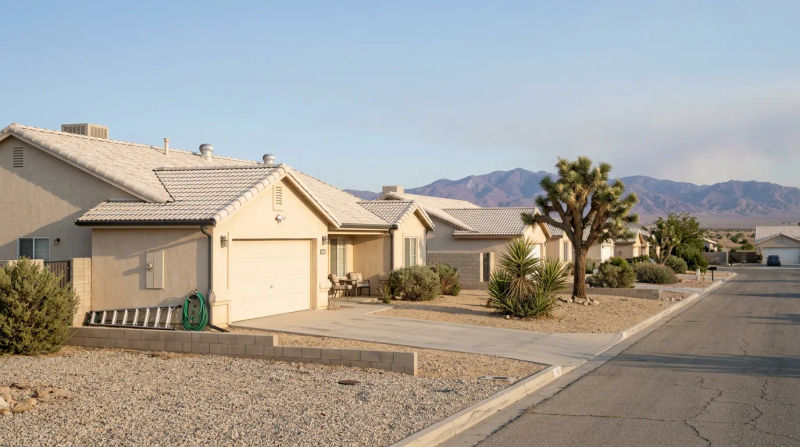
3. Inspect Key Vulnerabilities Many homes in El Mirage, particularly in neighborhoods like Silver Lakes, were built during the 1980s. These homes often feature stucco exteriors and tile roofs, which are generally fire-resistant. However, components from that era, like original attic vents or skylights, may not have modern ember-resistant features. The team at Sabrina Wunsch's roofer Co recommends paying close attention to these areas.
- Vents: Check that all attic, gable, and foundation vents are covered with a fine metal mesh (1/8-inch is standard) to block embers.
- Skylights and Chimneys: Ensure the flashing around your chimney and skylights is intact and sealed. Gaps can easily trap embers.
- Roof Edges and Penetrations: Look for any loose or broken tiles or shingles, especially along the ridges and edges of the roof where wind uplift is strongest.
What NOT to Do:
- Do NOT climb on your roof during high winds or once an evacuation order is active. It is incredibly dangerous and not worth the risk.
- Do NOT attempt last-minute repairs with inadequate materials. A temporary, poorly-executed patch can fail and create a false sense of security.
The best El Mirage CA evacuation roof prep happens before the fire season peaks. A pre-season readiness inspection from a professional can identify and fix these vulnerabilities when it's safe and calm.
Local Resources and References
Preparing for fire season is a community effort. Staying informed is one of the most powerful tools you have. We always recommend our clients keep these resources bookmarked:
- San Bernardino County Fire Department: They provide the most current evacuation warnings, red flag alerts, and fire status updates for our area. Their website is a primary source of official information.
- Cal Fire: Offers extensive resources on creating defensible space and hardening your home against wildfire. Their