
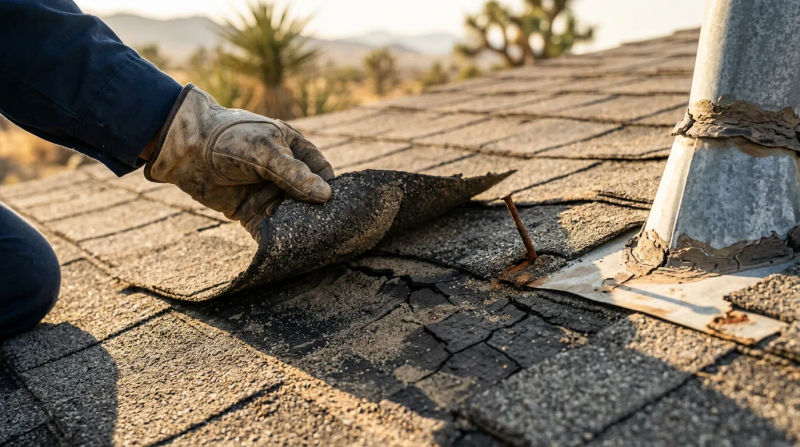
As an experienced roofing specialist, I’ve seen a common pattern here in the high desert. After a long, punishing summer, the first cool breezes of September feel like a welcome relief. The intense heat is finally behind us. However, while we’re enjoying the milder weather, our roofs are often holding onto the damage silently inflicted by months of relentless UV radiation and dramatic temperature swings. That small issue, invisible during the dry season, can quickly become a major headache with the first significant rainfall. Now is the perfect time for proactive September roof maintenance Apple Valley homeowners can rely on to secure their homes for the coming season.
Waiting for a storm to reveal your roof’s weaknesses is a costly and stressful strategy. A better approach is to know the roof leak signs and address them before they escalate. Taking a few minutes to assess your roof’s condition now can help you prevent roof leaks before rainy season Apple Valley arrives, saving you from emergency repairs and interior water damage.
Common Signs and Symptoms
From the ground or, if you can do so safely, from a ladder, you can often spot the early warning signs of a compromised roof. Our technicians are trained to identify these issues during routine inspections, and they are things every homeowner should be aware of.
- Cracked, Curled, or Missing Shingles: The sun’s UV rays bake the oils out of asphalt shingles, making them brittle. Look for shingles that are curling up at the edges, have deep cracks, or are missing entirely. For tile roofs, check for cracked or chipped tiles, as these can allow water to reach the underlayment.
- Excessive Granules in Gutters: If you have an asphalt shingle roof, you might notice what looks like black sand in your gutters. These are the granules that form the top protective layer of your shingles. A few granules are normal, but a large accumulation means your shingles are aging and losing their ability to protect your home from the elements.
- Spongy or Soft Spots: This is a critical issue to identify. When you walk on your roof (which we strongly advise against for safety reasons), a soft or spongy feeling underfoot indicates that the underlying sheathing has likely been compromised by moisture and is starting to rot. Learning how to spot roof soft spots after summer heat often requires a professional, but you may notice a slight sag or dip in the roofline from the ground.
- Damaged or Deteriorated Flashing: Flashing is the metal material installed around vents, chimneys, skylights, and in the valleys of your roof. It’s designed to direct water away from these vulnerable areas. Over time, the sealant can dry out and crack, or the metal itself can be damaged. This is one of the most common sources of roof leaks.
- Interior Water Stains: The most obvious sign of a leak is a brown or yellow stain on your ceiling or walls. It’s important to remember that water can travel, so the source of the leak on the roof may be quite far from where the stain appears inside.
- Sagging Roofline: A sagging roof is a serious structural concern. It can indicate widespread rot in the decking or, in worst-case scenarios, a problem with the rafters or roof trusses. This requires immediate professional attention.
What Causes This Problem
Understanding the root causes of roof degradation can help you appreciate the importance of regular maintenance. In Apple Valley, our climate presents a unique set of challenges.
First and foremost is the intense UV exposure. The sun’s rays are relentless, breaking down the chemical bonds in roofing materials. This process accelerates aging, making shingles brittle and underlayment fragile. After a full summer of exposure, your roof is at its most vulnerable.
Next is thermal shock. The high desert is known for its significant diurnal temperature swings - hot days followed by cool nights. This causes roofing materials to constantly expand and contract. Over thousands of cycles, this movement can loosen fasteners, break seals, and create small gaps that water will eventually find.
We also have to consider the age and architecture of the local housing stock. Many properties in Apple Valley are classic mid-century Ranch homes built during the 1950s and 1960s. These homes are wonderful, but their low-pitched roof design can be susceptible to certain issues. Water doesn't run off as quickly from a low-pitched roof, so any debris like leaves or pine needles can create small dams, leading to ponding water. If there are any weaknesses in the roofing material or flashing, this standing water will find its way in.
Finally, improper attic ventilation can cook your roof from the inside out. A poorly ventilated attic can reach extreme temperatures, essentially baking the shingles from below and drastically shortening their lifespan.
When to Call a Professional
While a homeowner can perform a visual inspection from the ground, there are clear moments when calling for professional help is the safest and most effective choice. Your roof is your home’s first line of defense, and attempting a DIY repair without the right experience can often make a problem worse.
Safety is the number one reason. Walking on a roof is inherently dangerous, especially one that may have hidden structural damage like soft spots. Our trained crews use specific safety equipment and are experienced in navigating various roof pitches and conditions. There is no repair worth risking a serious fall.
Professionals are also trained to see what an untrained eye might miss. I can’t count the number of times I’ve found a leak caused by a hairline crack in a sealant bead or a few improperly driven nails that a homeowner would never have noticed. We don't just look for leaks; we assess the entire roofing system. An experienced professional will conduct a thorough inspection that includes:
- Checking the condition of all shingles or tiles.
- Examining all flashing, seals, and pipe boots.
- Assessing the state of the underlayment where visible.
- Inspecting the attic for signs of moisture, rot, and proper ventilation.
- Clearing debris that could cause water to pool.
You should call a professional immediately if you see any water stains inside your home, notice a visible sag in your roofline, or suspect there are soft spots. If your roof is more than 15 years old, an annual professional inspection is a wise investment in your home’s longevity and your own peace of mind.
Conclusion
The end of summer in Apple Valley is a critical time for your roof. The damage from months of intense sun has been done, and the rainy season is just around the corner. By looking for key roof leak signs like cracked shingles, granules in your gutters, and damaged flashing, you can get ahead of potential problems. Remember that the unique climate and the low-pitched roofs common on many mid-century homes in our area create specific vulnerabilities.
Being proactive is always better than being reactive. An inspection now can identify and fix minor issues before they become major, destructive leaks. Don't wait for a downpour to test your roof's integrity. Taking action in the dry, calm weather of early fall ensures your home is protected and secure for whatever weather lies ahead.
If you notice any of these signs, contact a local roofing professional for a thorough inspection and peace of mind.